Som konateľ jednoosobovej eseročky, ktorej hlavnou činnosťou je vývoj softvéru. V tejto oblasti je potrebné neustále vzdelávanie. Vrámci svojho momentálneho kontraktu sa zaoberám vývojom štandardov a technologií na vyhľadávanie v genomických dátach, kde okrajovo treba rozumieť aj pojmom z biológie a genetiky a preto som sa rozhodol zakúpiť do firmy knihu o Biológii – Campbell Biology. Rozhodol som sa, že túto knihu objednám z Amerického Amazonu a risknem komplikovanú colnú procedúru. V mojom prípade ide možno o inú procedúru ako keby kniha stála menej ako 22 EUR, kde sú pravidlá a postup asi trochu iné.
Na Amazone som si vytvoril štandardný účet, kde som dal firemné údaje, samozrejme nejde tam dať všetky políčka ako sme zvyknutí v slovenských formulároch pre právnické osoby, ako napr IČO atď. Pre účely oslobodenia od dane existuje niečo ako Amazon Business, ale nie je to povinné, tak som sa tým nezaoberal, pretože mám pocit, že tam sa cudzincom na tovar nejaké veľké dane nevyrubujú.
Jedna z chýb, čo som urobil už pri objednávke tovaru bola, že som si dal balíček doručiť kuriérskou službou, tu konkrétne DHL. Pri vybavovaní zásielky klasickou poštou by proces bol opäť asi trochu iný (možno jednoduchší). Klasická pošta by asi trvala dlhšie, ale bola by lacnejšia (bez skrytých poplatkov, o ktorých sa nedozviete na Amazone) a colné konanie by bolo asi jednoduchšie.
Prvý e-mail bol samozrejme od Amazonu

O niečo neskôr sa ozvali z DHL
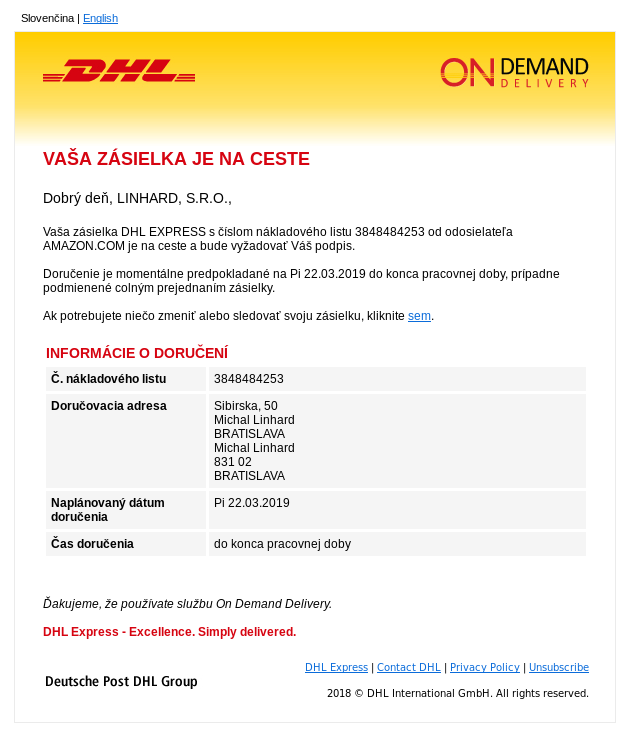
Prvý mail, ktorý ukázal, že to nebude jednoduché sa volal “Avízo o colnom konaní AWB 3848484253 – LINHARD, S. R / GOLDEN STATE“
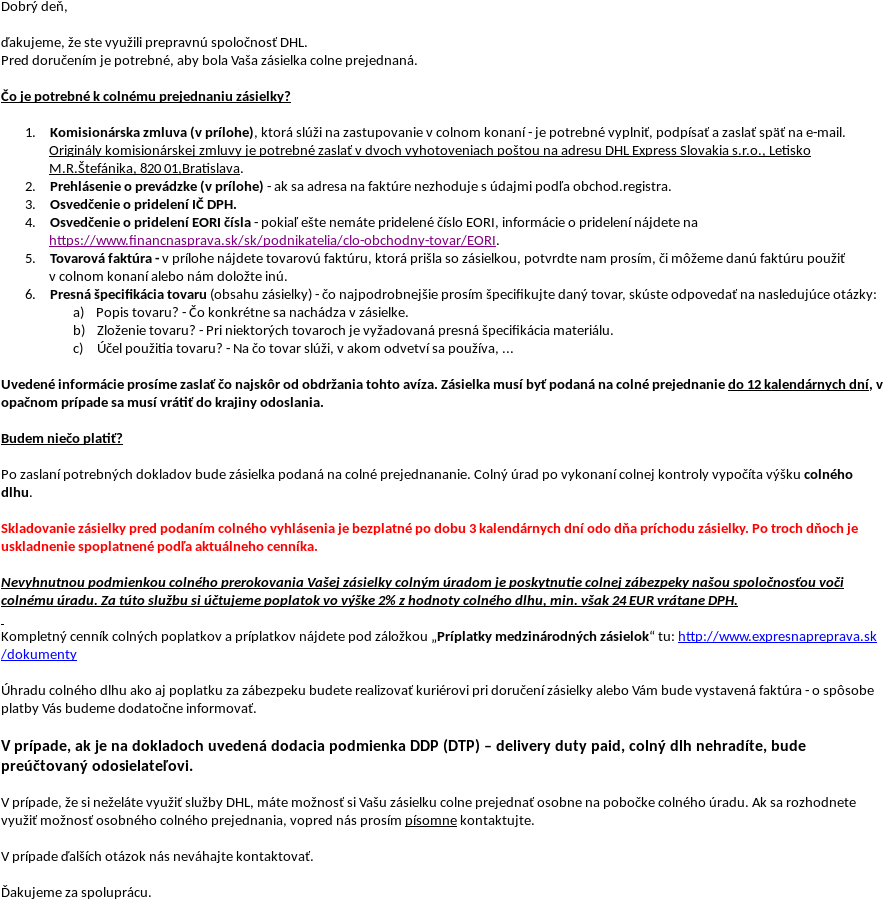
Prílohy
- Faktúra od Amazonu
- Letecký nákladný list
- Prehlásenie o prevádzke
- Komisionárska zmluva – menej aktuálna verzia sa dá stiahnuť zo stránky DHL, sem ju dávať nebudem, môže ísť teoreticky o duševné vlastníctvo spoločnosti DHL

Faktúra 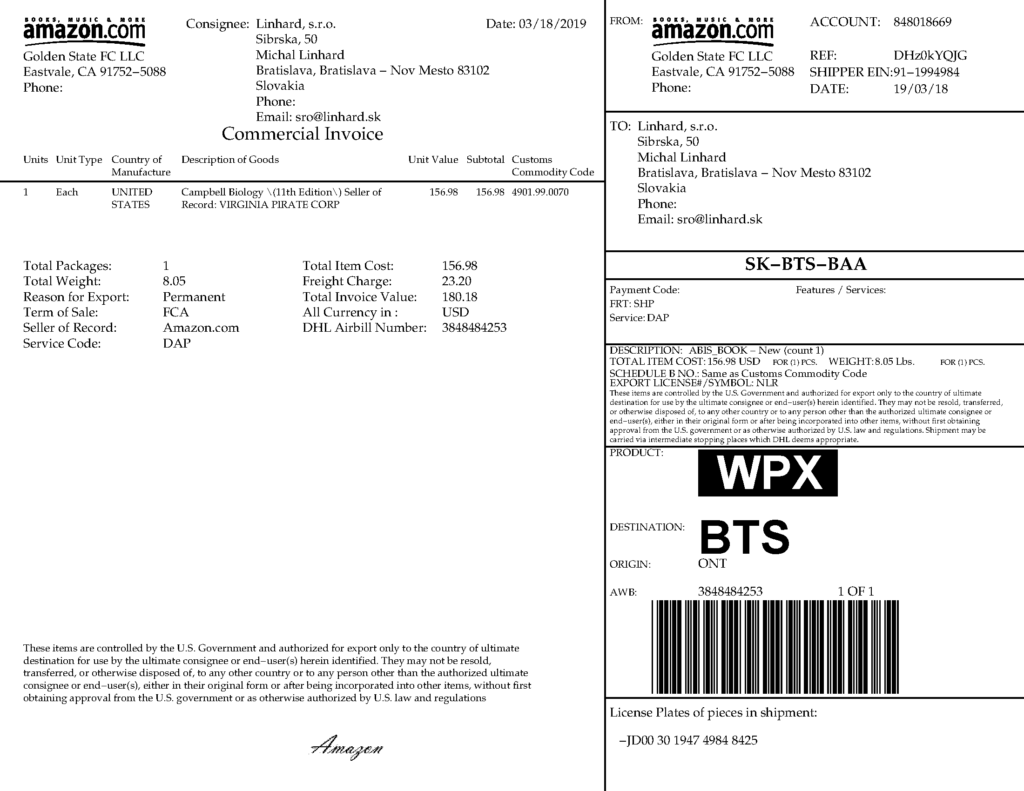
Letecký nákladný list 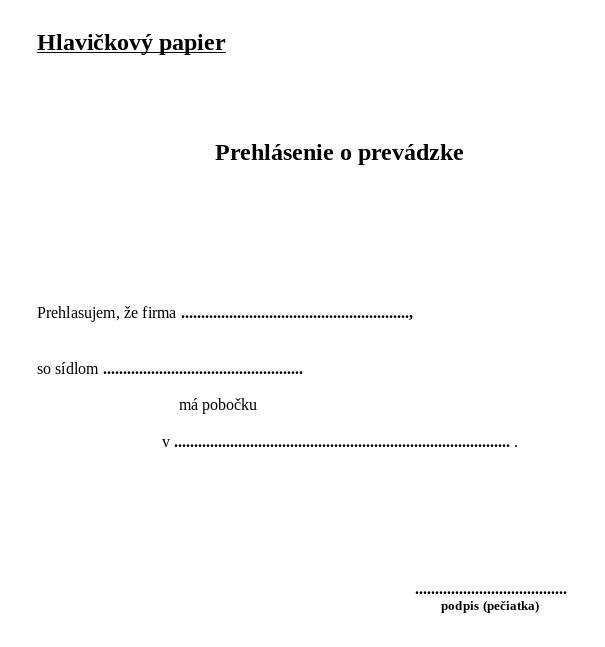
Prehlásenie o prevádzke
Bol som trocha prekvapený. Už dlho som nič neobjednával, nevedel som, že existujú takéto obchodné praktiky a takéto skryté poplatky. Čiže za to, že som omylom na Amazon stránke klikol na spôsob doručenia Kuriér DHL, mám teraz nasledovné pohodlie:
- Zaplatím 24 EUR navyše k cene, zanalyzujem 9 stranovú zmluvu (nepodpisujem len tak hocičo), ktorú vytlačím 2x (18strán stromov), odveziem na Tomášikovu (pre nebratislavčanov: pošta pre BA Nové Mesto), vystojím v rade, podám, mám zbytočný nový právny vzťah a komunikujem v konečnom dôsledku s dvoma právnickými osobami namiesto jednej.
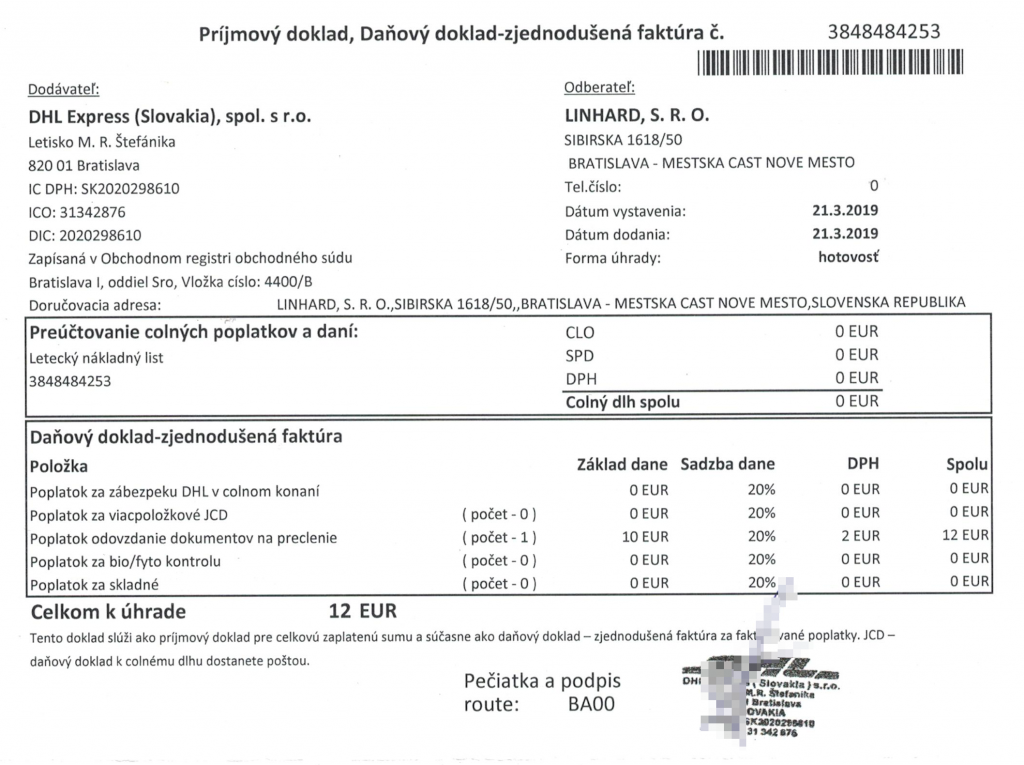
- Zaplatím 12 EUR za NIČ (DHL mi prepošle 6 ďalších textových reťazcov na copy-pastnutie do formulára) a zásielku si pôjdem precliť sám. Zároveň riskujem, že ak sa mi nebude v postupe s úradmi dariť, budem platiť 5 EUR za každý deň navyše (3 dni sú zdarma) skladovania mojej knihy v skladoch DHL.
Celý Internet a samotný colný úrad odporúča možnosť 1, tak som si zvolil možnosť 2. Pretože ako povedal John F. Kennedy vo svojom slávnom prejave: “We choose to file customs declaration and do the other things, not because they are easy, but because they are hard”
Išlo mi hlavne o to, že DHL si účtuje 24 EUR a hodne ľudí jej ich aj platí za to, že náš colný systém je neskutočne zbytočne zložitý, neprehľadný, celému procesu nerozumie asi ani väčšina samotných colníkov. Ľudia z DHL to vedia vybaviť rýchlo, lebo je to ich denný chlebíček, ale ja nechcem byť expert na clá, aby som si mohol objednávať knihy zo zahraničia. V modernom štáte sa nemá prečo diať také, že niektorá zo štátnych služieb je tak zložitá, že si človek musí platiť ešte komerčnú službu navyše za to aby mu s tým pomohli (vlastne aj za to aby mi s tým nepomohli, ale menej)
- Štát je ten, ktorý chce odomňa clo. Ja som ochotný clo zaplatiť, ale musí to byť pre mňa ľahké.
- Štát neustále deklaruje, že míňa peniaze zo štátneho rozpočtu na optimalizáciu štátneho softwaru, ale štátny software stále vyzerá ako Windows 3.11 (za toto prirovnanie sa ospravedlňujem Windowsu 3.11)
Odpísal som teda, že colné konanie si vybavím sám, dostal som varovanie v podobe spomínaného 12 EUR poplatku a výstražného plagátiku z colnej správy – aby som vedel, že sa mám pripraviť na interakciu so systémom od DITECu – že či si to náhodou ešte nechcem rozmyslieť.
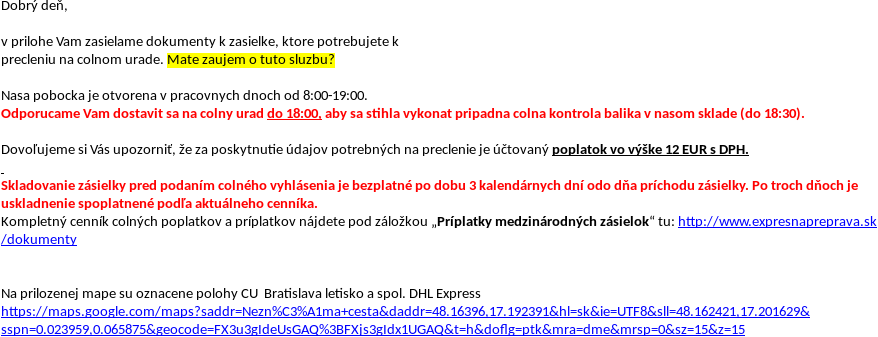
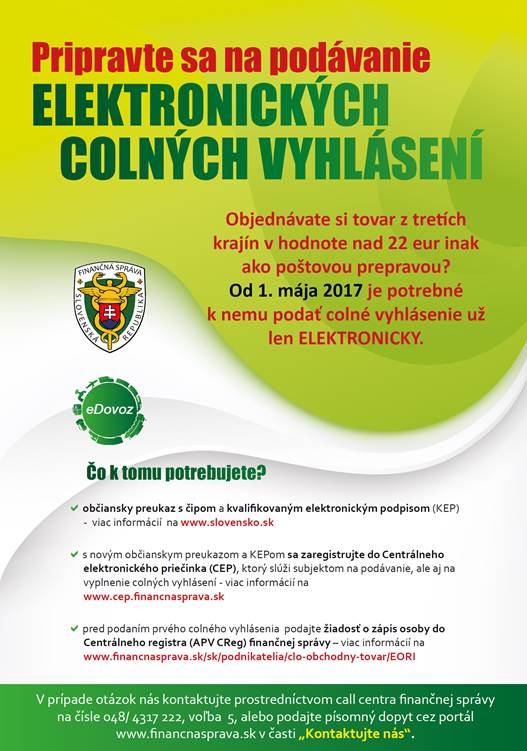
Tak ako Štefan Harabin nechodil do ping-pongových zápasov s tým, že ide prehrať, tak som sa ani ja nevzdal.
EORI Registrácia
Pozerám stránku ministerstva, že čo je to EORI číslo. Toto je mimochodom niečo čo by som potreboval aj keby som šiel cez DHL. Tak vytlačím, vyplním a nascanujem registračný formulár
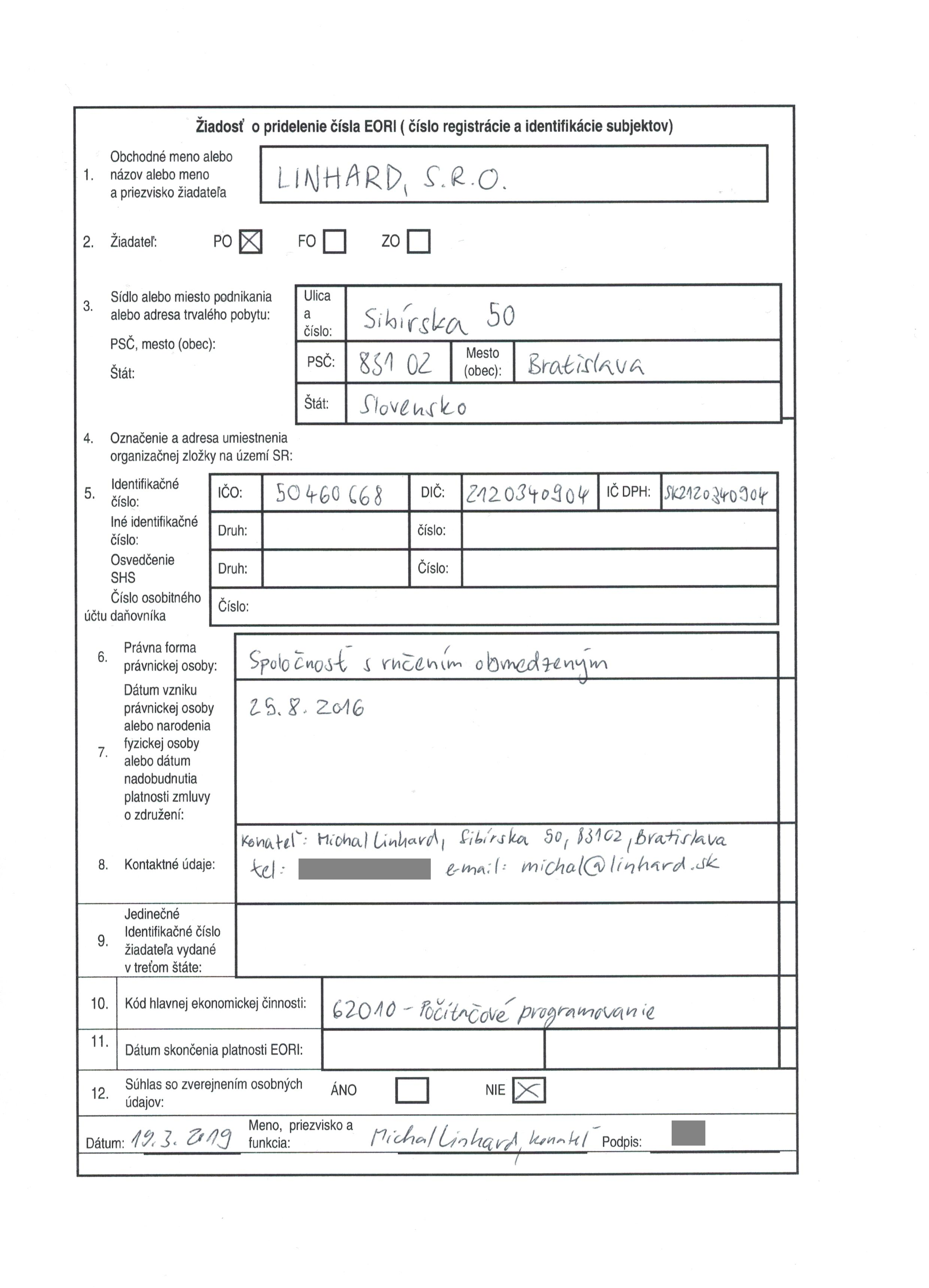
A posielam na adresu EORI@financnasprava.sk Za 29 minút !100 obdržím odpoveď, moje EORI osvedčenie:
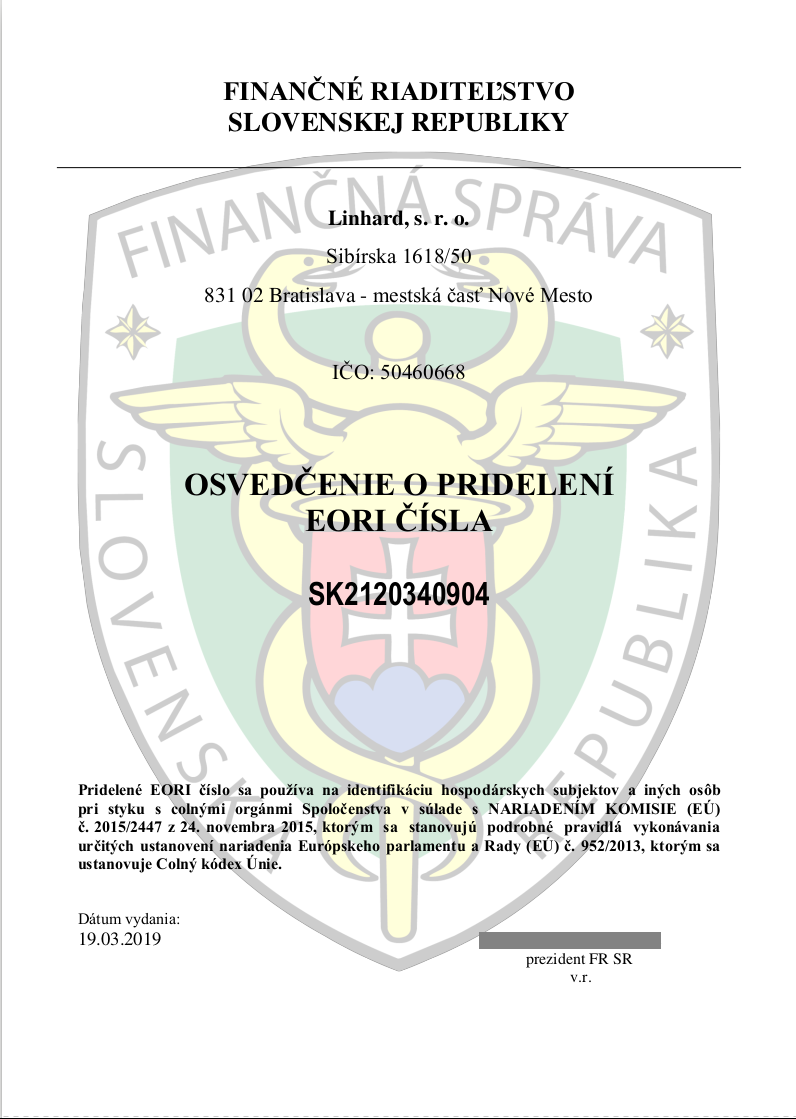
až sa mi nechce veriť, že ho prezident FR SR podpísal v.r.
Colný úrad 1. deň
Hneď potom ako som odoslal registráciiu EORI (a ešte nedostal odpoveď, netušil som koľko to bude trvať) som bol na colnom úrade. Ako prvé miesto kontaktu som si vybral Colný Úrad Bratislava na Miletičovej 2. To bolo, keď som ešte o cle nevedel nič a bol som vystrašený, do čoho som sa to pustil a že boha ja budem platiť za tú knihu nakoniec 300 EUR, pretože kým to vybavím, prejde mesiac a DHL bude účtovať za nedobrovoľné skladovanie mojej rukojemníckej knihy každý deň 5 eur. Nevedel som nič o celom procese a chcel som úplne obyčajne prísť na nejaký úrad, kde sa budem môcť rozprávať s človekom, namiesto informačnej stránky finančnej správy, že ako bude vyzerať celý proces, aby mi to niekto polopate vysvetlil a ja by som mu mohol interaktívne klásť doplňujúce otázky.
Na recepcii som túto požiadavku vysvetlil pánovi recepčnému a on povedal, že s týmto ma nevie poslať na žiadne konkrétne oddelenie. Nič ako oddelenie prvého kontaktu pre panikáriaceho občana. Tak som skúsil vyplniť v jeho hlave pomyselné políčko s informáciou o mojej agende: Chcem podať colnú deklaráciu (netušil som, že to chcem, ale tipol som, že možno bude vedieť niečo k tomu povedať), došla mi kniha – letecky na bratislavské letisko. To už som vyplnil všetky povinné políčka v recepčného hlave a povedal, že má pre mňa telefónne číslo Colného úradu Bratislava Letisko a ponúkne mi, že si môžem zavolať z telefónu pri vrátnici.
Je to síce brainfuck, ako sa musím dostávať k informáciám, ale musím povedať, že pani z colného úradu letisko, s ktorou som volal bola veľmi ochotná, milá a pomohla mi. Povedal som jej, že som si objednal knihu a došiel mi mail – avízo o colnom konaní a že by som sa chcel všeobecne informovať o preclievaní zásielok, nevedel som, čo presne vlastne chcem robiť, že by som sa proste potreboval rozprávať s osobou, ktorá mi vysvetlí celý proces. Na to ma odkázala na Colný Úrad Miletičova 2. Keď som jej povedal, že volám z vrátnice úradu Miletičova 2, kde som bol nasmerovaný na ňu, tak mám pocit, že tak nejak v osobnej rovine uznala, že to mám ako občan ťažké a začali sme sa rozprávať s porozumením. S porozumením znamená, že ani ja nebudem na nikoho útočiť, že nevie všetko o mojom prípade, zachovám úroveň najhlbšej zenovej meditácie a pokúsim sa pochopiť ako colníci používajú colný systém. Colníci sú tiež len ľudia. Za to ako zložitý a neprehľadný je ich systém nemôžu oni ale František Imrecze, Vláda, SMER a Ditec (pozri napr Akceptačný protokol CEP). Keď ukážete, že rozumiete aj vy ich situácii, tak potom oni tiež oveľa radšej pomáhajú.
Povedal som teda, že by som si chcel sám precliť zásielku a nechcem platiť výpalné DHL. Ona povedala, že to nebudem mať ľahké a či nezvážim ešte raz zastupovanie firmou DHL. Keď pochopila, že nezvážim, tak sme sa dostali k tomu, že budem musieť poslať colné vyhlásenie o dovoze cez CEP, čo ona nazývala ako “deklarantský systém”, ktorý je oddelený od “ich systému” a oni sú školení len na ich systém. Povedala však, že na úrade sa nachádza počítač pre deklarantov, ktorý slúži na to, ak chce niekto odtiaľ niečo podať a niekedy sú úradníci ochotní poradiť s vypĺňaním, podľa vyťaženosti úradu. Oni síce nevedia ako sa robí s CEP ale vidia prijaté deklarácie v ich systéme a vedia povedať, čo bolo zle, čiže taký validačný proces s masívnym round-tripom. To znamená, že akonáhle sa mi podarí prepasírovať akékoľvek dáta cez validátor CEPu, tak na druhej strane už bude fyzický colník schopný ma nasmerovať, že čo mám opraviť. Zároveň mi odpovedala na otázku, koľko bežne trvajú registrácie do EORI a CEP, že to je v zásade hneď. Tieto informácie mi stačili na to aby som prestal panikáriť a šiel domov pokračovať v elektronických registráciách.
CEP Registrácia
Po návrate z úradu som bol posmelený, že to idem dať sám, tak som pristúpil ku registrácii do systému CEP – Centrálny Elektronický Priečinok, takže pozerám informácie o registrácii, nakoniec klikám na Registračný formulár.
Ten je celkom jednoduchý, v zásade ide o údaje vašej SRO, a zastupujúcej osobe
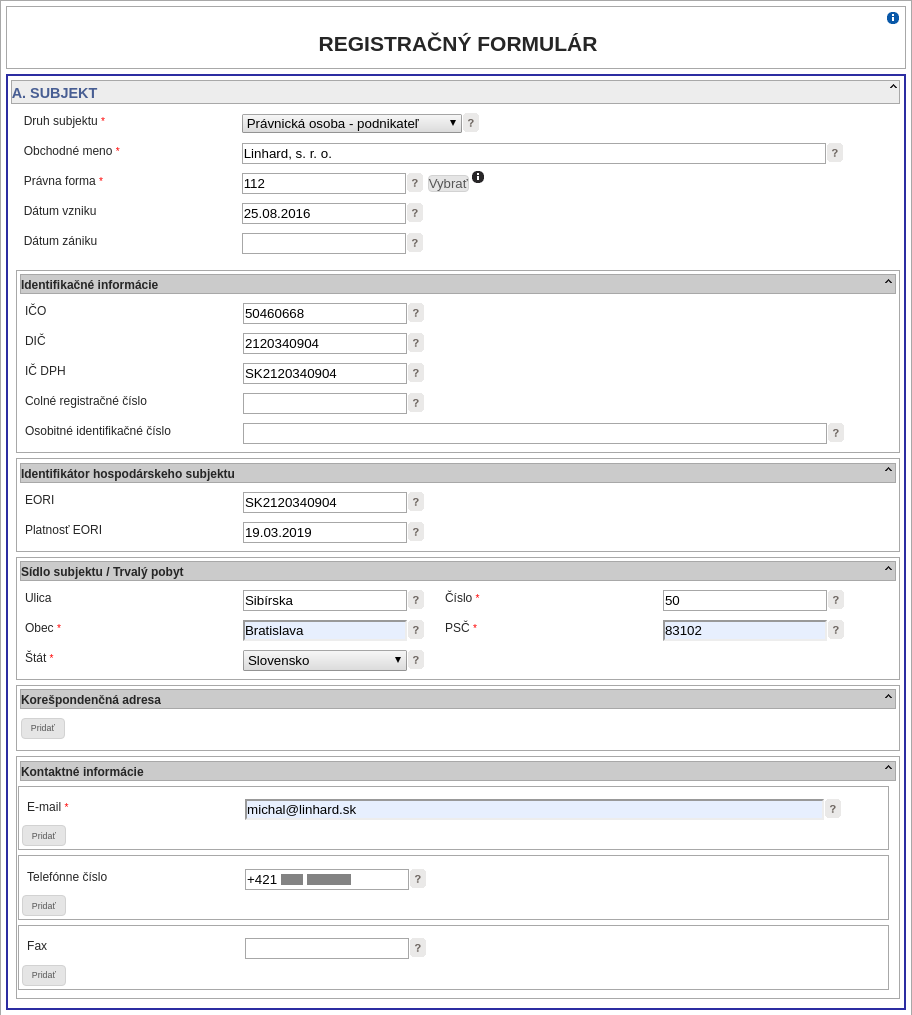
V časti “Identifikátor hospodárskeho subjektu” som hrdo vložil novozískané EORI číslo (to z certifikátu vyššie, ktoré je rovné IČ DPH). Položka Platnosť EORI je trochu mätúca, neviem, či platnosť OD alebo DO, nápoveda povie len “Zadajte dátum platnosti EORI. Dátum zadajte v tvare DD.MM.RRRR (napr.: 01.10.2000)” Ale keďže jediný údaj čo mám je OD, tak som dal OD a prešlo. Ak by to bolo DO, tak som v CEPe platnosť môjho EORI obmedzil na jeden deň.
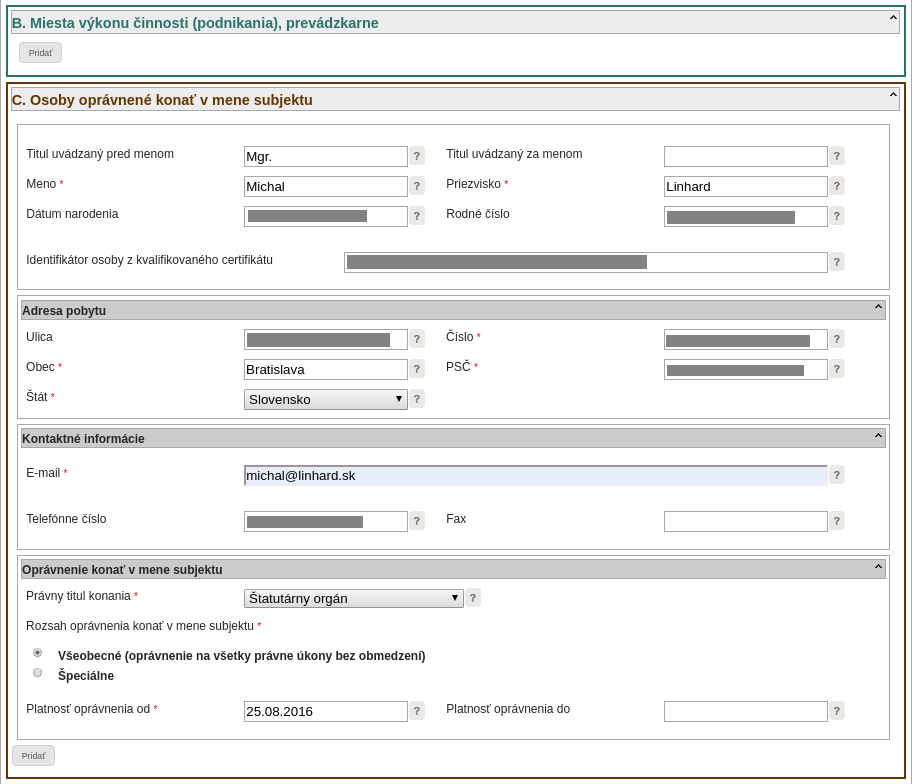
Ja nemám prevádzkarne, tak sekciu B som nevypĺňal, v sekcii C – Osoby oprávnené … som dal svoje osobné údaje. Tam kde som dal šedý obdĺžnik som dal hodnotu. Moje oprávnenie je Konateľ, čo je štatutárny orgán so všeobecným oprávnením. Najdlhšie som dumal nad “Identifikátor osoby z kvalifikovaného certifikátu“. Nápoveda k formuláru poradí v konečnom dôsledku pozrieť si PDF návod pre Windows – facka používateľom normálnych operačných systémov, ale samozrejme ja už mám rozbehaný Windows vo VirtualBoxe, lebo som sa zmieril so svetom. Zenový prístup je kľúčom k práci so systémami od Ditecu. Tento návod je už samozrejme zastaraný, naviguje pomocou printscreenov z nejakej staršej verzie Windowsu a všetkých možných Browserov. Ale každopádne k tomu údaju sa dá prepracovať, mne to príde len zverina, že toto je postup, ktorým si neviem predstaviť prechádzať človeka, ktorého neživí vývoj softvéru. Kľúčová informácia tu je, že hľadáme reťazec začínajúci prefixom “PNOSK-“. Môj mal formát PNOSK-<rodné číslo bez lomítka>. Podľa toho, čo mám v “Potvrdení o prevzatí certifikátov na eID”, ktoré som dostal od polície, keď som si bol updatnúť certifikáty po ich zlyhaní v 2017-tom som zistil, že mám tri
- Kvalifikovaný certifikát pre elektronický podpis – platnosť 5 rokov
- Certifikát na šifrovanie – platnosť 10 rokov
- Certifikát pre elektronický podpis – platnosť 10 rokov
a ten “PNOSK-” identifikátor je v tom prvom.
Po stlačení “Uložiť” budete podpisovať softvérom od Ditecu, čo by chcelo samostatný blog, ale toto je návod pre pokročilých, tvárme sa, že to vieme. Ditec musím pochváliť, že signer už ide aj v prehliadači Chrome a nemusím si kvôli tomu otvárať vírus Internet Explorer. Aj keď ide asi o takú chválu, ako že ďakujem, že si už pri vypĺňaní registračného formulára nemusím trieskať kladivom do hlavy. Koniec pochvaly.
Po odoslaní formulára, mi cca do dvoch hodín (možno aj menej, nezapísal som si čas odoslania formulára) došla odpoveď mailom, že som zaregistrovaný.

Colný úrad a DHL – deň č. 2
Niekedy počas registrácie do CEPu som bol ešte na colnom úrade letisko zisťovať, čo všetko bude treba na vyplnenie formulára. Vedúci smeny bol veľmi milý, odpovedal mi na všetky otázky, predložil som mu Faktúru a Letecký nákladný list a dozvedel som sa, že budem potrebovať okrem vecí čo mi DHL poslala, ešte napríklad Pozičné číslo v dočasnom sklade. Ináč povedané, DHL mi naozaj nedala všetky potrebné údaje a dajú mi ich až na ďalšie vyžiadanie, pričom musím súhlasiť s tým, že zaplatím 12 EUR za NIČ. Zároveň mi povedal, či by som si to náhodou nechcel rozmyslieť a že či by som sa nechcel radšej venovať krajším veciam ako interakcii so softvérom od Ditecu a či by som nezvážil, že deklaráciu za mňa urobí DHL. Že minule tu nejaký pán sedel nad tým formulárom 3 hodiny a potom to vzdal. Ja som to zvážil a odpoveď bola, že zajtra som tu s notebookom a čítačkou občaňáku.
DHL kancelária sa nachádza asi 100m od colného úradu, takže som sa bol staviť osobne oznámiť, že chcem zaplatiť 12 EUR za NIČ a chcel by som aby mi dali údaje potrebné na preclenie mojej zásielky.
Pritom som sa recepčnej opýtal, že či aj ich deklaranti pracujú so systémom CEP a či keď už mi poskytujú informácie za 12 EUR, čo je podľa mňa trochu odvážna cena za preposlanie mailu, tak by som sa nemohol niektorého z jej kolegov opýtať na prácu s tými formulármi. Ona povedala, že toto od nás ešte nikto nechcel, tak nevie. Ja som povedal, že či je nejaký zásadný problém s tým, že som prvý, ona že nie a skúsi sa opýtať kolegyne. Kolegyňa jej do telefónu povedala, že áno, pracujú s CEP, a nie, neposkytnú mi žiadne informácie o tom ako ho vypĺňajú, 12 EUR je skutočne za NIČ. Na pani recepčnú som sa samozrejme snažil byť milý, pani recepčná len pracuje v korporácii s neférovými obchodnými praktikami, ale ona nutne nemusí byť zodpovedná za tieto politiky, ja osobne by som v takej korporácii pracovať nedokázal, minimálne bez toho aby som tieto praktiky kritizoval, ale súdiť morálnosť správania môžeme vždy len pri svojej vlastnej osobe. Ináč nás začnú strihať do klero-gastronomických videí. Okrem toho moja skúsenosť s DHL má v sebe jednu krásnu vec. Pri najbližšej objednávke tovaru jednoducho nepoužijem DHL. To je krása trhového systému. Nepoužiť Ditec nemôžem.
Tak som si vyžiadal informácie o mojej zásielke na základe môjho čísla zásielky. Spýtali sa ma, či mi stačí, keď mi to prepošlú na e-mail (čo zaváňalo tým, že si počkám), alebo to majú vytlačiť hneď teraz. Ja som s tým ešte chcel ísť na colný úrad, takže som poprosil vytlačiť, za 12 EUR ideálne na hodváb. Počkal som si aj tak, ale nakoniec som dostal
- Prehlásenie o preprave
- Tabuľku s číselkami a identifikátormi
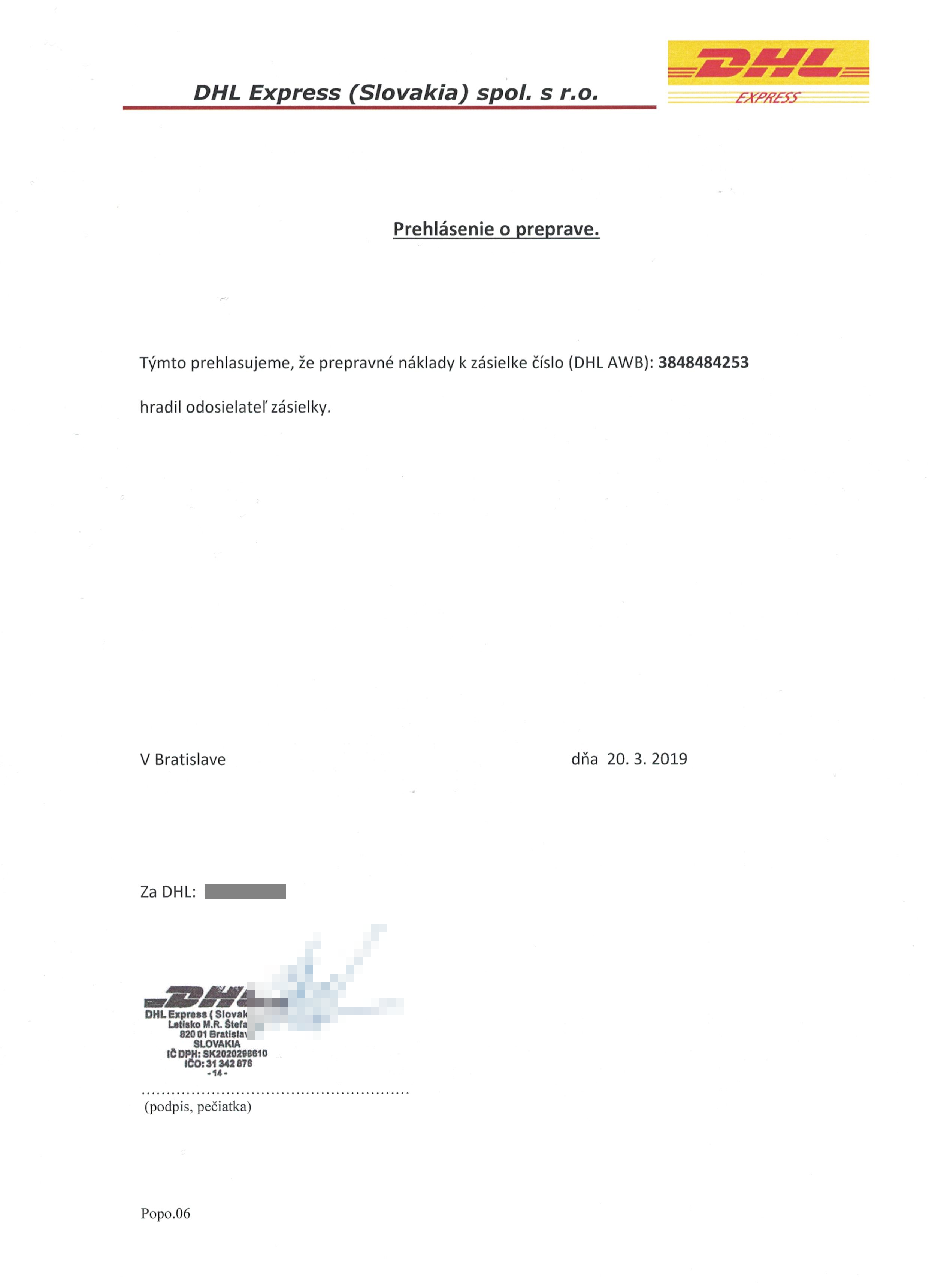
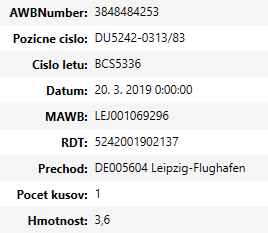
S týmto som už mohol veselo do CEPu a deklarovať.
Vrátil som sa na colný úrad, otvoril som si notebook, naštartoval Windows, pripojil čítačku, otvoril CEP a tam na mňa, že

Volám na infolinku finančnej správy 048/43 17 222. “Momentálne sú všetci naši operátori obsadení, čakajte prosím na linke alebo využite možnosť podania písomného dopytu cez portál finančnej správy v časti Ako s nami komunikovať”. Stránka “Ako s nami komunikovať” vyzerá takto:
Som porazený, portál finančnej správy 1, ja 0. Vraciam sa domov, kde sa vrátim k normálnej práci, lebo veď treba aj pracovať, nie len sa zabávať so štátom a na mobile si pustím na hlasný odposluch čakanie na infolinke finančnej správy s príjemnou klasickou hudbou. Za cca 15min sa dostanem na radu, posťažujem sa že “Nastala neočakávaná chyba” a ona medzitým samozrejme odnastala, takže som v podstate volal zbytočne.
Večer keď skončím prácu a môžem sa už opäť venovať štátu, sa teda pozriem na formuláre a snažím sa do nich vopchať údaje od DHL. Pri tomto mi extrémne pomohol blog Petra Cmoreja – Elektronické colné konanie (CEP). Naozaj sa to nedá zjednodušiť? – bol mi veľkou morálnou oporou a pomohol mi s vyplnením niektorých políčok. Verzie formulárov, odkedy ich vypĺňal on sa už trochu zmenili, ale väčšina princípov sedela a dalo sa dosť odkukať. Peťov blog bol aj mojou najväčšou motiváciou napísať tento môj, pretože som videl ako tieto informácie dokážu niekomu obrovsky pomôcť. Môj blog je v podstate iba jeho aktualizáciou s pridaním novej verzie formulárov, kompletného prehľadu výmeny papierov s úradmi z pohľadu SROčky, ktorá doteraz neriešila clo a pridaním môjho vlastného frflania.
Pomocou tohto blogu sa mi podarilo prvýkrát podať formulár Colné vyhlásenie o dovoze.
Colný úrad – Deklarácia – deň č. 3
Na ďalší deň prichádzam na colný úrad letisko, aby som ku mojej podanej deklarácii prišiel dodať potrebné podklady. Opäť som stretol príjemného vedúceho smeny. Som strašne rád, že existujú úrady, kde sa dajú nájsť takíto ľudia. Ochotní pomôcť a rozumejúci situácii občana, ktorý musí prvýkrát čeliť komplexnému colnému procesu a ubíjajúcemu CEP systému. V colnom systéme sa však moje vyhlásenie nenachádzalo. Tak som opäť nažhavil Windows a čítačku. Na CEP portáli opäť Nastala neočakávaná chyba, ale asi iba na 15 minút, ktoré som si skrátil zbytočným telefonátom na infolinku. Mám pocit, že samotné sťažovanie sa na túto chybu možno spôsobí nejaký ozdravný proces, takže vždy keď sa vám to stane určite volajte 048/4317222 voľba 5 (človek špecializujúci sa na colnú oblasť), hovorte, že opäť je to tu a oni budú musieť volať do Ditecu na helpdesk a zisťovať. Potom vám povedia, že váš problém s CEPom musíte zadať do online formulára sami, na to sa vykašlite, je to iba zdržiavacia taktika, pretože tam v zásade nemáte čo nové povedať, dôležité je to, že helpdesk FS už kontaktoval helpdesk Ditecu, oni vedia že sa im to zase zdrbalo, a pravdepodobne už niekto ide z kuchynky k počítaču analyzovať logy, alebo niečo reštartovať.
Keď týpek z Ditecu dohodil uhlie do parného stroja, mašinéria sa rozbehla a mohol som analyzovať. Zistil som, že to, že formulár sa podarilo odoslať ešte neznamená, že je bez chýb. Existuje ešte následná validácia o ktorej výsledku sa dozviem až správou Oznámenie o chybe podania. Preto potom ako odošlete formulár v CEPe, vždy si treba kontrolovať aj to, že či vám prišla správa Informácie o registrácii colného vyhlásenia v sekcii Zásielky.
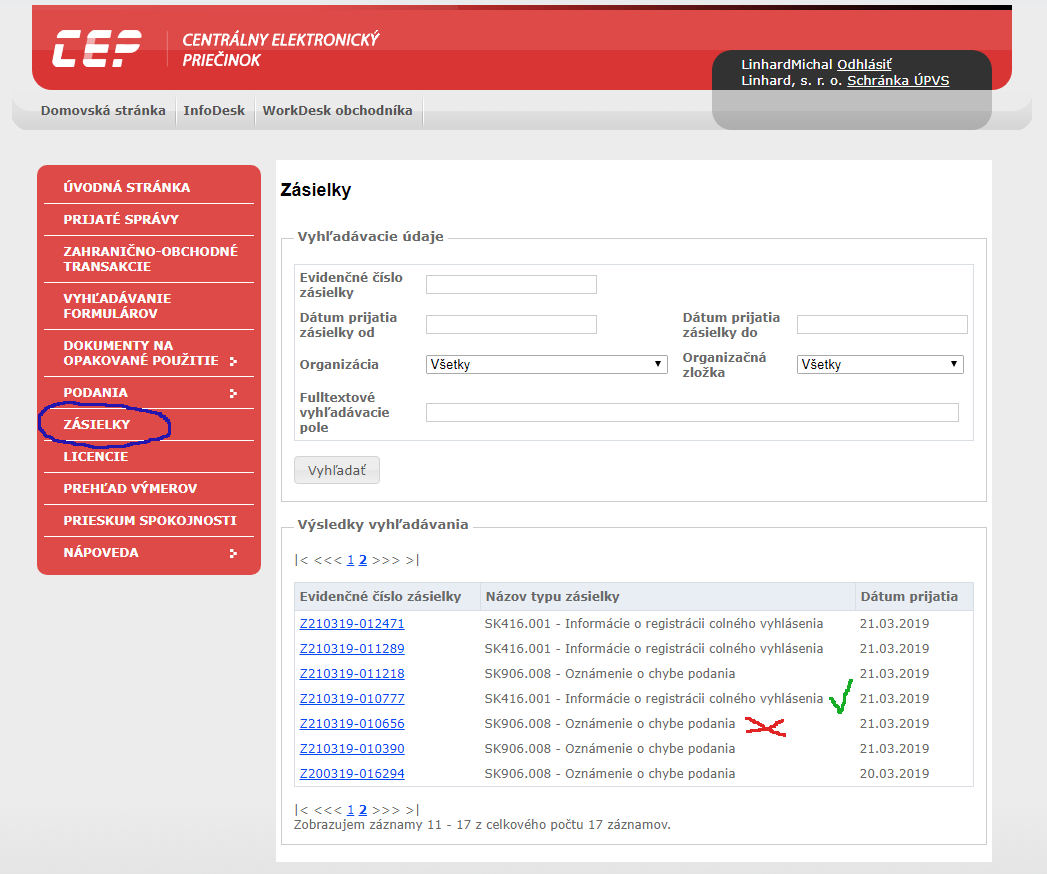
Dobre už to nebudem naťahovať. Nejako som to prepasíroval aj cez ten druhý stupeň validácie a keď mi prišla prvýkrát správa Informácie o registrácii colného vyhlásenia, tak v tom momente si už mohli moje podanie pozrieť aj colníci za prepážkou a komentovať mi to. Už vás nebudem nudiť tým, že kým som to naozaj urobil dobre, urobil som 10 podaní, každé s rituálnym podpisovaním občankou, ukladaním do XMLka, načítavaním z XMLka, opravovaním chýb. Celkovo prešli asi 4 hodiny (časovo som teda neprekonal neznámeho pána, ale zas on to vzdal), lebo medzitým museli ísť úradníci na obed, ja som musel ísť na obed a ešte Nastala neočakávaná chyba, a to bol asi jediný krát počas tohto procesu kedy som už na pani na druhej strane infolinky nebol priateľský, ale mierne prísnejší.
Pán colník za prepážkou uznanlivo povedal, že to raz dotiahnem ďaleko, lebo videl málokoho s takou trpezlivosťou. Ja som zase, aj keď ma vracal 10ty krát k notebooku, nikdy nepoľavil v priateľskom prístupe a každé nové opravenie som bral ako cestu k poznaniu – najmä tomu zenovému.
Výsledkom môjho snaženia je teda návod ako vyplniť tento formulár na základe údajov od kuriéra, ktorý už popíšem vo finálnej podobe v akej mi ho nakoniec colník odsúhlasil.
Ako vyplniť colné vyhlásenie
V prvom rade, vypĺňame “jednoduchý” variant formulára (smiech). Pri tejto voľbe sa nám predvyplnia niektoré políčka s niektorými magickými číslami.
Ako vidíme nižšie, všeobecný formulár je na prípady, ktoré sa netýkajú bežného preclievania tovarov z e-shopov.
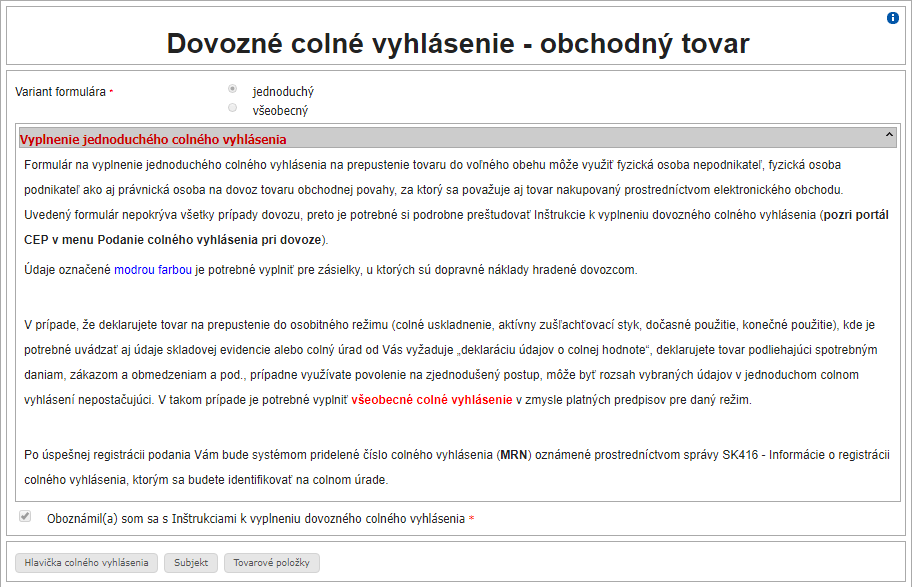
Prvá nasleduje Hlavička colného vyhlásenia
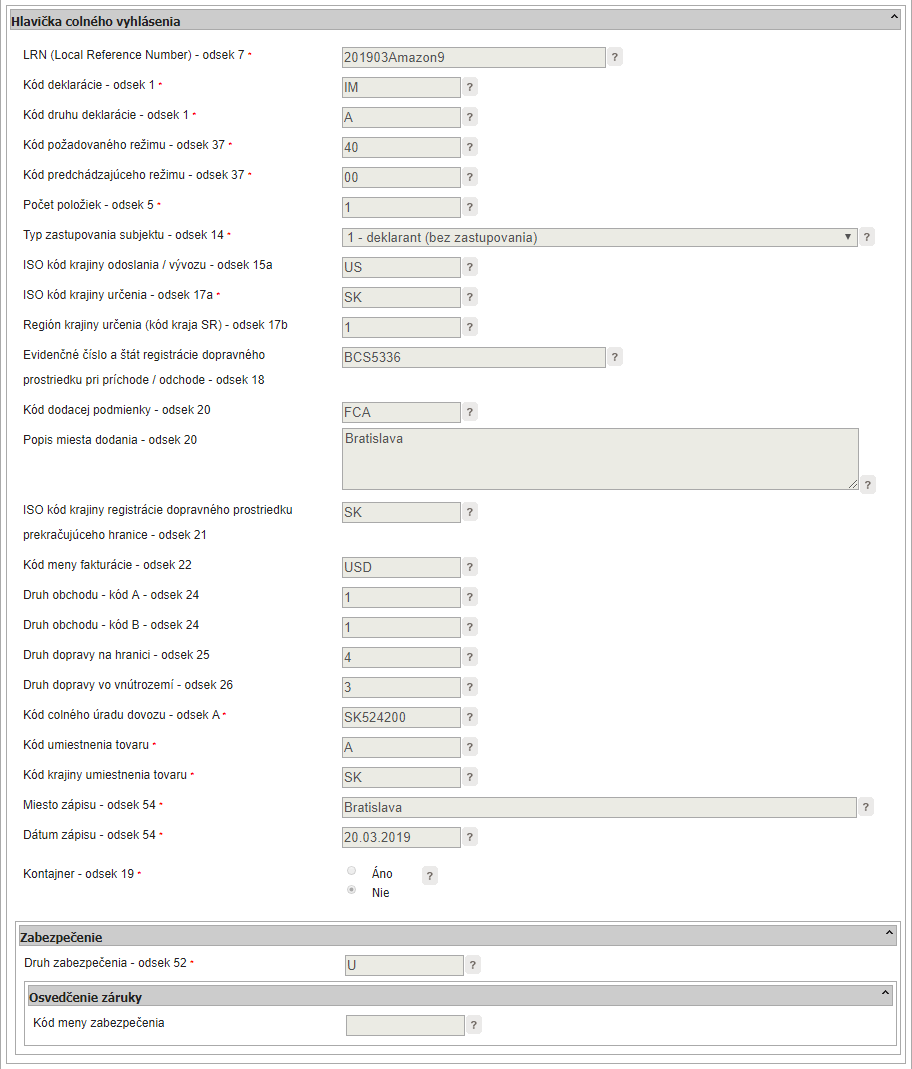
- LRN (Local Reference Number) = váš identifikátor, dajte si tam bárzčo čo popisuje vašu epizódku s úradom, musí byť unikátny, tj vždy iný pre každé podanie – na to pozor keď načítavate formulár z XML súboru a idete tam niečo opraviť – toto vždy treba opraviť tiež a napríklad vždy zvýšiť číslo na konci tohto reťazca.
- Kód deklarácie = IM – Import – predvyplnené
- Kód druhu deklarácie = A – Štandardné colné konanie – predvyplnené
- Kód požadovaného režimu = 40 (Súčasné prepustenie tovaru, na ktorý sa nevzťahuje oslobodenie od DPH, do voľného obehu a daňového voľného obehu) – predvyplnené
- Kód predchádzajúceho režimu = 00 (Týmto znakom sa uvádza, že predchádzajúce konanie neexistuje) – predvyplnené
- Počet položiek = 1 (ja som mal jednu knihu)
- Typ zastupovania subjektu = 1 – deklarant (bez zastupovania) – lebo je to vaša situácia
- ISO kód krajiny odoslania / vývozu = US (mne došla kniha zo Spojených Štátov)
- ISO kód krajiny určenia = SK (došla mi na Slovensko) – predvyplnené
- Región krajiny určenia (kód kraja SR) = 1 (Bratislavský kraj)
- Evidenčné číslo a štát registrácie dopravného prostriedku pri príchode / odchode = Hodnota od DHL – Číslo Letu
- Kód dodacej podmienky = FCA (vyplatené dopravcovi (free carrier)) – u mňa toto bolo na Faktúre ako INCOTERMS, aj na leteckom nákladnom liste ako Term of Sale, ale Peťo dal napríklad XXX (Iné ako vyššie uvedené dodacie podmienky) a nebol problém, na túto hodnotu sa to aj predvyplní pri zvolení jednoduchého variantu
- Popis miesta dodania = Bratislava
- ISO kód krajiny registrácie dopravného prostriedku prekračujúceho hranice = SK, podľa Peťovho blogu, prostriedok prekračujúci hranice je vozidlo, ktoré priviezlo zásielku z letiska do colného skladu, takže to bude mať Slovenskú registráciu
- Kód meny fakturácie = USD – lebo faktúra od Amazonu je v USD, mimochodom toto sa tiež predvyplní na menu EUR pri zvolení jednoduchého variantu, ale túto hodnotu som prepísal
- Druh obchodu – kód A = 1 – predvyplnené
- Druh obchodu – kód B = 1 (tieto mystické hodnoty som zadal podľa Peťovho blogu, ale všimol som si, že pri zvolení “jednoduchého” formulára sú predvyplnené) – predvyplnené
- Druh dopravy na hranici = 4 – Letecká preprava
- Druh dopravy vo vnútrozemí = 3 – Cestná preprava
- Kód colného úradu dovozu = SK524200 – kód colného úradu Bratislava Letisko.
- Kód umiestnenia tovaru = A (tovar v colnom priestore CU) – predvyplnené
- Kód krajiny umiestnenia tovaru = SK – predvyplnené
- Miesto zápisu = Bratislava
- Dátum zápisu = <dátum vypĺňania formuláru>
- Kontajner = Nie, lebo knihy sa tak asi neprepravujú
- Zabezpečenie = U (Úhrada colného dlhu pred prepustením do režimu) – Osvedčenie záruky netreba pridávať
V sekcii Subjekt dáte do Dovozca aj Deklarant svoje EORI číslo (čo je vlastne vaše IČ DPH)
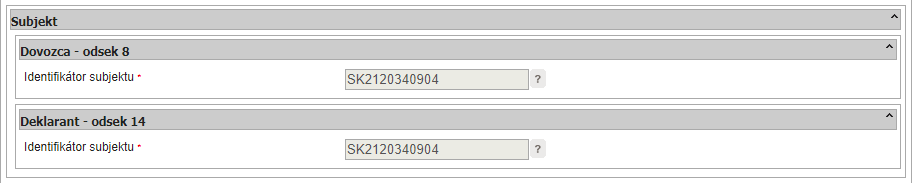
Potom nasleduje sekcia Tovarové položky, rozdelím si ju na dve časti

- Číslo tovarovej položky = 1 – ja mám iba jednu, kebyže dávate viac, tak číslujete tu
- Opis nákladových kusov a tovaru = Kniha Campbell Biology (11th Edition) – proste tu nejako popíšete tovar
- Kód nomenklatúry tovaru = 4901990000 – Náznak tejto hodnoty bol aj na Leteckom nákladnom liste, bola uvedená ako Customs Commodity Code. Dá sa aj vybrať z dosť haluzného číselníka. Zrovna hodnota, ktorú tam dal Amazon som tam nevedel nájsť. Na toto sme nakoniec dokonvergovali s úradníkom.
- ISO kód krajiny pôvodu tovaru = US
- Kód preferencie = 100 (Colné sadzby pre tretie krajiny erga omnes) – toto som dal podľa Peťa
- Kód národného režimu = (prázdne)
- Kód metódy hodnotenia = 1 (Obchodná hodnota dovezeného tovaru, podľa článku 70(1) Colného kódexu Únie)
- Cena za položku vo fakturovanej mene = 156,98 – Toto mám z faktúry, hodnota v Dolároch
- Štatistická hodnota za položku v mene CV = 180,18 – Toto mi prešlo, dokonca mi to aj poradil jeden úradník, je to celková suma na faktúre, vrátane dopravy. Hneď o položku nižšie mi však vytkol, že mena CV je EUR, a teda si nie som istý, či je toto vôbec niečo dôležité, každopádne ja som sem dal total v dolároch
- Náklady po colné územie Únie v mene CV = 20,45 – toto je cena za dopravu z moje faktúry, kde to bolo ako 23,20 USD, pán colník mi to prerátal na 20,45 EUR podľa aktuálneho mesačného kurzu. Na tejto hodnote mu záležalo, bol som kvôli nej vrátený.
- Náklady po štatistické územie Slovenska v mene CV = (prázdne)
- Náklady po prvé miesto určenia na Slovensku (DPH) v mene CV = (prázdne)
- Kontajner
- Číslo kontajnera = (prázdne)
- Nákladové kusy a balenie
- Kód druhu nákladových kusov = BN (Balík, nestlačený) – toto som tipol a prešlo
- Počet kusov = 1
- Množštvo tovaru – hrubá hmotnosť
- Kód mernej jednotky = KGM
- Kód kvalifikátora mernej jednotky = G
- Množstvo tovaru v mernej jednotke s kvalifikátorom = 4 (moja zásielka má 3.6 kg, tak sa to zaokrúli na celé čísla nahor)
- Množstvo tovaru – čistá hmotnosť
- Kód mernej jednotky = KGM
- Kód kvalifikátora mernej jednotky =
- Množstvo tovaru v mernej jednotke s kvalifikátorom = 4 (toto opäť znamená počet kg zaokrúhlené na celé čísla)
Pri položkách Množstvo tovaru sa ešte prizastavím. Aplikuje sa na nich totiž až druhotná validácia, takže môžu spôsobiť značné zdržanie. Toto sú pravidlá, o ktorých sa dozviete až po odoslaní formulára (prikladám ich aj ako príklad užívateľskej prítulnosti hlášok v softvéri od Ditecu)
- (PR066) Musí byť uvedená nenulová čistá hmotnosť (odsek 38) aj nenulová hrubá hmotnosť (odsek 35), t.j. ((práve jeden záznam, kde Kód mernej jednotky = “KGM”, Kód kvalifikátora mernej jednotky = “” a množstvo je väčšie ako 0) a (práve jeden záznam, kde Kód mernej jednotky = “KGM” a Kód kvalifikátora mernej jednotky = “G” a množstvo je väčšie ako 0)).
- (PR068) Ak je čistá alebo hrubá hmotnosť tovaru menšia ako 1 kg, uvedie sa hmotnosť s presnosťou na 6 desatinných miest. Pri čistej alebo hrubej hmotnosti väčšej ako 1 kg sa uvádza hmotnosť v celých číslach, desatinné čísla od 0,000001 do 0,499 zaokrúhľujú smerom nadol a desatinné čísla od 0,5 do 0,999 smerom nahor.
Tieto položky sa zároveň ináč zobrazujú pri vypĺňaní formulára a ináč pri jeho prezeraní ako odoslaného podania – preto v mojom screenshote sú tieto políčka nezašednuté, pretože som ich musel prilepiť z verzie aktívneho formulára a nie z detailov podaného vyhlásenia.
V ďalšej časti sa pridávajú “Predchádzajúce dokumenty” a “Certifikáty“, neviem presne prečo sa tieto pojmy volajú práve takto. Pri každom z týchto položiek si vždy zvolíte najký kód, ktorý reprezentuje o akú informáciu ide a potom do ďalšieho políčka vlepíte danú informáciu. Vo všeobecnosti je štruktúra teda
- Predchádzajúci dokument
- Kód kategórie dokladu + Kód typu dokladu (DRUH INFORMÁCIE)
- Číslo predchádzajúceho dokumentu (INFORMÁCIA)
- Certifikát
- Kód certifikátu (DRUH INFORMÁCIE)
- Číslo certifikátu (licencie) (INFORMÁCIA)

Opis tejto časti otočím a pôjdem podľa informácií čo som dostal od DHL
- AWBNumber – AWB znamená Air Way Bill – Letecký nákladný list, u mňa hodnota 3848484253, vložíme ho aj ako predchádzajúci dokument aj ako certifikát
- Predchádzajúci dokument – Z740 – Letecký nákladný list
- Certifikát – N740 – Letecký nákladný list
- MAWB – Master Air Way Bill – Hlavný letecký nákladný list, u mňa LEJ001069296, vložíme ho ako
- Predchádzajúci dokument – Z741 – Hlavný letecký nákladný list
- Certifikát – N741 – Hlavný letecký nákladný list
- Číslo faktúry – toto bolo na faktúre od Amazonu u mňa to bolo DHz0kYQJG_1, vloží sa ako
- Certifikát N380 – Obchodná faktúra
- Pozičné číslo – z tabuľky od DHL – toto by malo byť nejaké skladové číslo v nejakom dočasnom úložisku DHL, asi keby si to chceli ísť colníci fyzicky skontrolovať, tak podľa tohoto tam pôjdu. u mňa to znelo DU5242-0313/83
- Ďalšie špecialitky
- Certifikát Y069 – Hodnota “Tovar neodoslaný z Iránu”, toto tam formálne z nejakého dôvodu musí byť
- Certifikát 1015 – Hodnota “Žiadosť o zníženú sadzbu DPH” – Toto sa môže uviesť špeciálne pri knihách, išlo by to aj bez tohto, ale platil by som 20% DPH namiesto 10%, takže sa oplatilo urobiť ešte jedno opravné podanie navyše
Tá vec, že “dodatkový údaj” naspodku, začal svietiť potom ako som vyplnil cenu za dopravu v predošlej časti, vyplnilo sa to však samo a nebolo to ani editovateľné.
S vyššie uvedenými hodnotami sa mi podarilo teda nakoniec po pár hodinách formulár odoslať. Samozrejme ide o môj špecifický prípad, keď si ako právnická osoba objednávam z USA knihu kuriérom a zastupujem sa sám v colnom konaní. Samozrejme, že vo vašom prípade si budete musieť niektoré hodnoty pozmeniť, tak aby sedeli na váš prípad, ale každopádne si myslím, že takýto príklad môže ohromne pomôcť niekomu, kto to robí prvý krát.
Vyrovnanie colného dlhu a prebratie zásielky
Keď bolo colné vyhlásenie na 10ty pokus v poriadku dostal som od colníka Výmeru platieb a asi niečo ako papier zhrňujúci moje colné vyhlásenie:
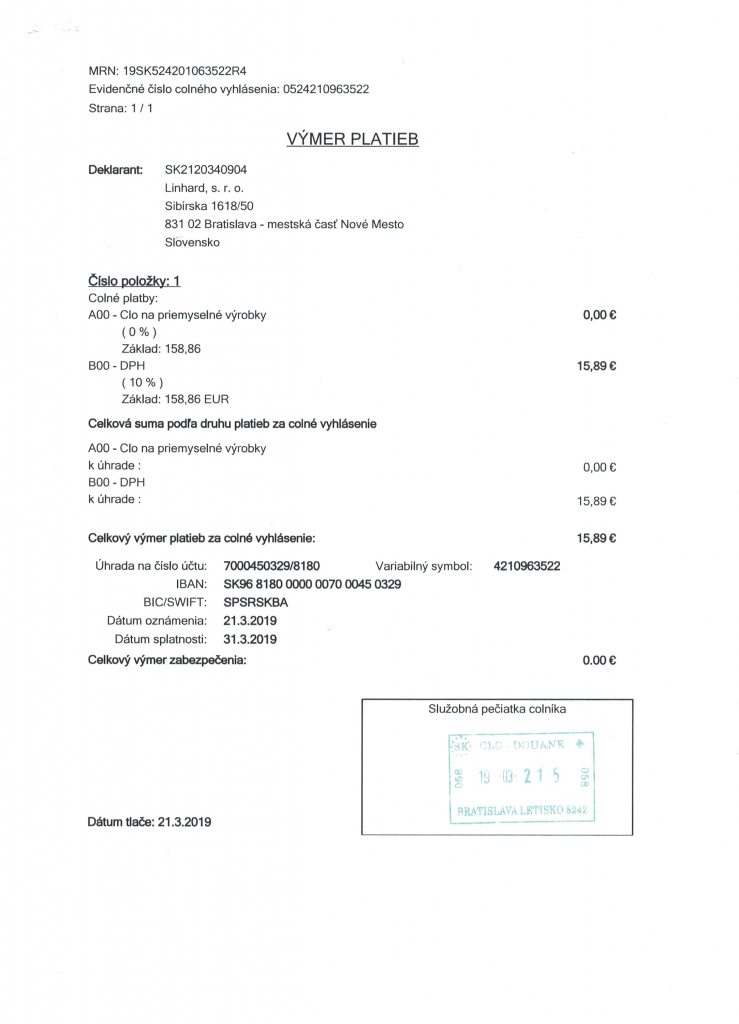
Výmera platieb 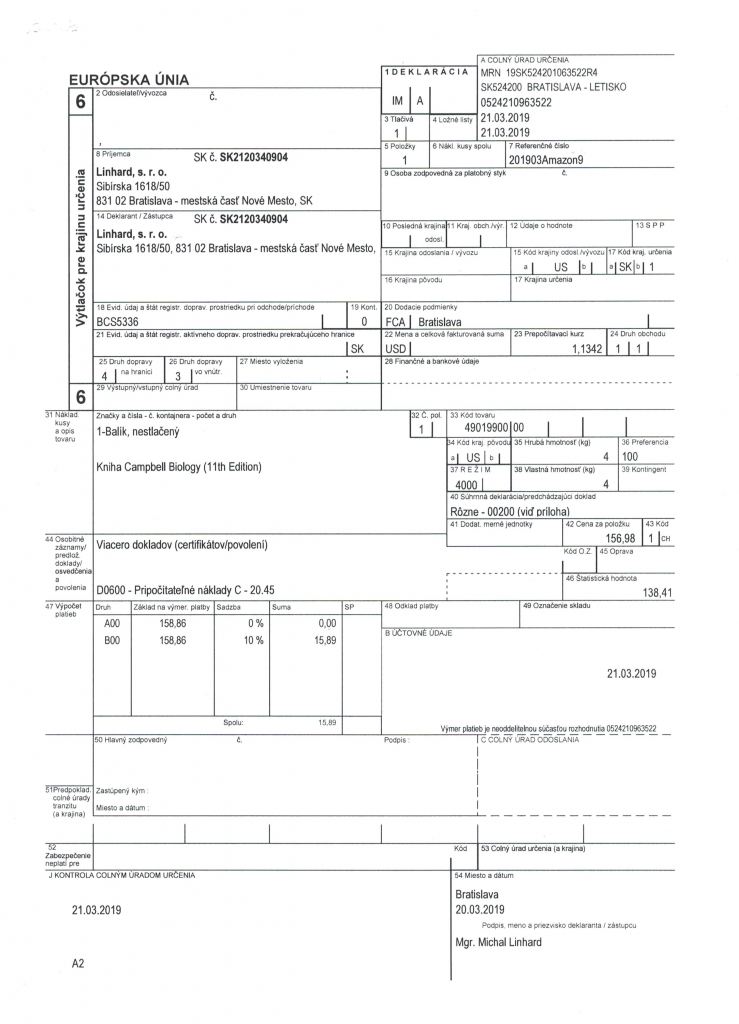
CV 1/2 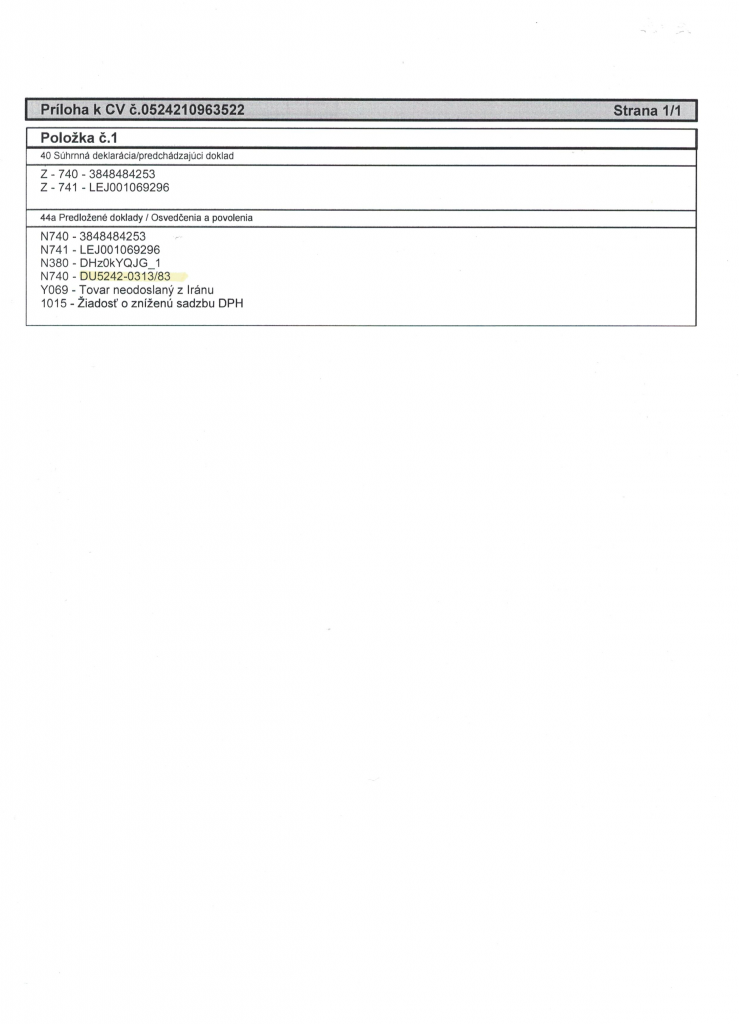
CV 2/2
Colný dlh (čiže 10% DPH) som zaplatil v hotovosti, ešte som dostal príjmový doklad ale ten asi viete ako vyzerá, s týmito 4mi vecami som zašiel do DHL, tam som zaplatil poplatok 12 EUR za NIČ
A potom som dostal balíček do rúk.
Musím sa ešte podeliť s tým, že bola na spodku zašpinená a umastená. Kebyže som práve neabsolvoval, čo som absolvoval asi ju vrátim.
Záver
Kebyže dopredu viem, čo viem teraz tak to urobím trochu ináč a ušetrím dosť času a paniky
- Na objednávke v Amazone nezaškrtnem ako doručovateľa DHL
- Ak by som predsa len potreboval tovar rýchlo možno by som to zvážil, teraz už viem tú tajnú informáciu, že si k cene za dovoz ~20 EUR ešte priplatím 12 EUR za NIČ
- (tieto kroky predpokladajú, že mám občiansky preukaz s kvalifikovaným elektronickým podpisom, čo človek čo nemusí behanie po úradoch väčšinou má)
- Keď mi dojde od DHL Avízo o colnom konaní, tak nemusím panikáriť – jednoducho odpoviem e-mailom, že sa budem zastupovať sám a zaplatím 12 EUR za NIČ
- Ešte v ten istý deň pošlem žiadosť o číslo EORI, ktoré je vybavené skoro hneď
- Hneď jak mi dojde císlo EORI, zaregistrujem sa do systému CEP – to sa dá tiež rýchlo
- Hneď ako mi príde registrácia do CEP, prihlásim sa a zadám colné vyhlásenie, čeknem či mi prišla zásielka so správou Informácie o registrácii colného vyhlásenia – ak hej všetko je v poriadku
- Toto všetko sa teoreticky dá ešte v ten istý deň ako mi príde avízo o colnom konaní. Až potom ako odošlem colné vyhláse musím ísť už naozaj fyzicky na úrad (colný úrad letisko) kde doložím všetko v papierovej podobe, vymerajú mi colný dlh a ja to zaplatím v cashi. (možno sa aj toto dá na diaľku, ale neviem, či to bude rovnako rýchle)
